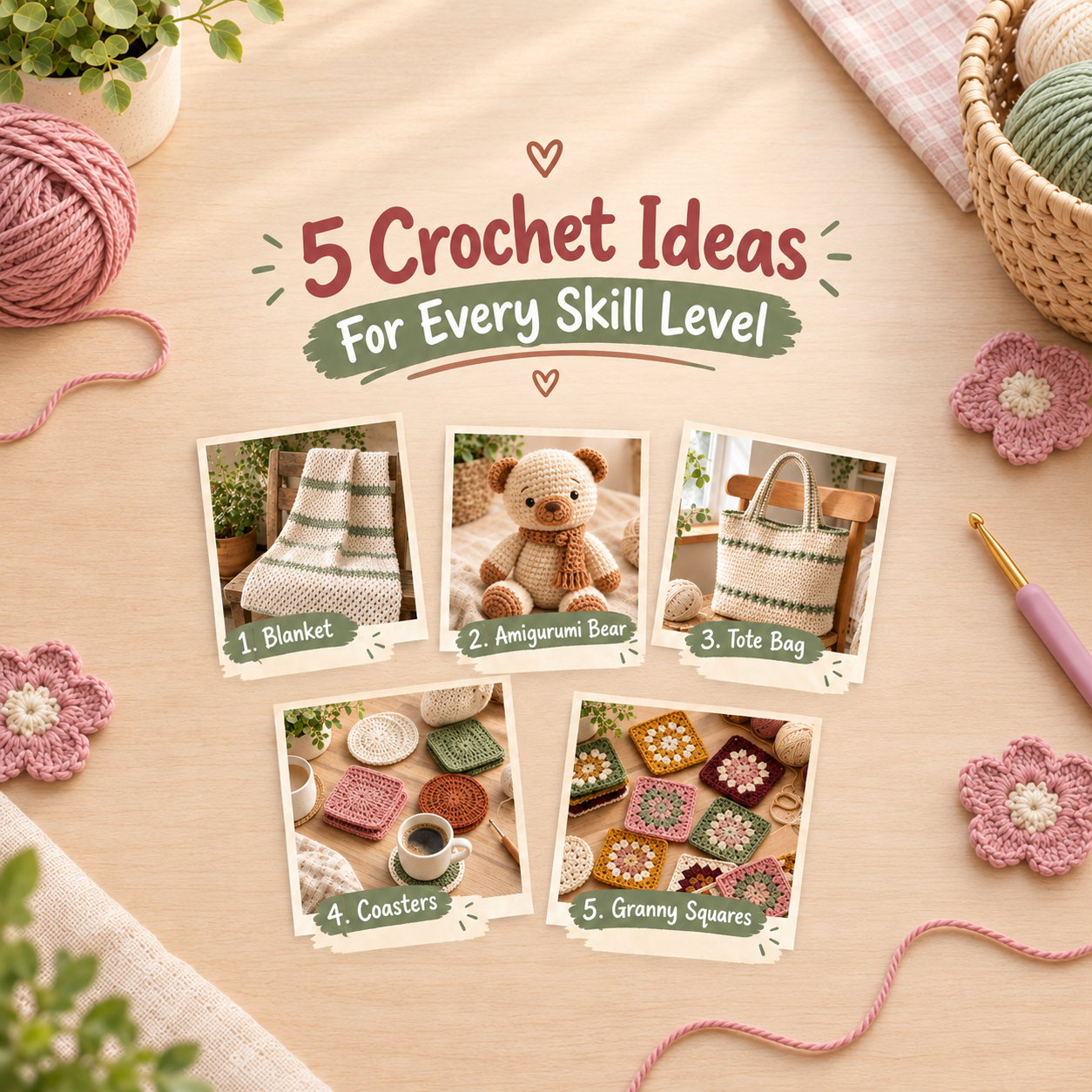
5 Crochet Ideas for Every Skill Level
Looking for your next crochet project? Whether you are learning your first stitches or ready to try more detailed patterns, there are plenty of creative ways to enjoy this relaxing craft. From simple coasters to handmade bags, cute amigurumi, and cozy blankets, crochet offers something for everyone.
These 5 crochet ideas for every skill level will help you find a project that matches your experience and interests. Each idea can be customized with different yarn colors, textures, and finishing touches, making it easy to create something unique.
If you are a beginner, start with a small project and practice the basic stitches. If you already have crochet experience, use these ideas to explore new techniques and challenge yourself with a more detailed design.
1. Crochet Coasters for Every Level
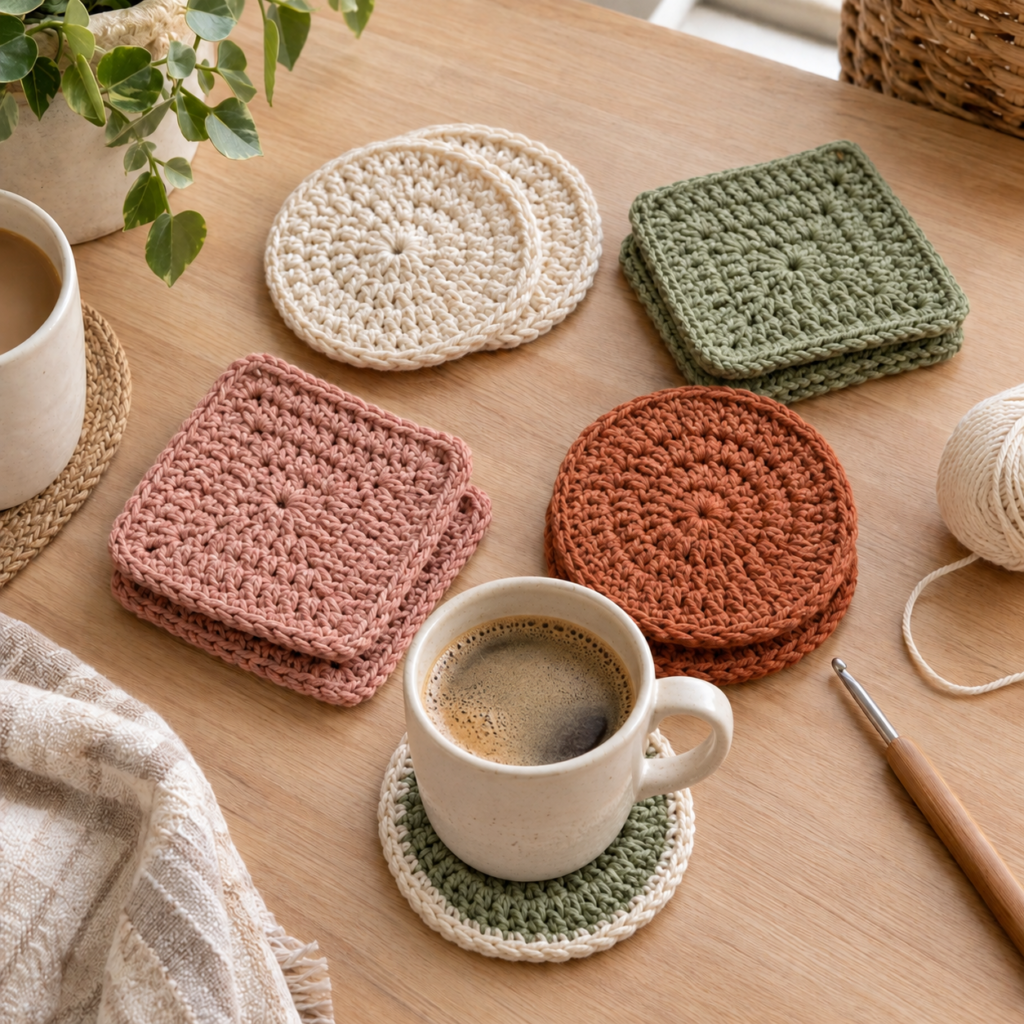
Crochet coasters are one of the best beginner crochet projects because they are small, practical, and easy to customize. They are a great way to practice basic stitches without committing to a large project.
You can make square, round, or flower-shaped coasters using cotton yarn in your favorite colors. A matching set also makes a thoughtful handmade gift for friends and family.
Materials for Easy Crochet Coasters
- Medium-weight cotton yarn
- A crochet hook suitable for your yarn
- Scissors
- A yarn needle
How to Make Simple Crochet Coasters
- Make a slip knot and create a foundation chain if your chosen pattern requires one.
- Work single crochet stitches across the chain to create the first row.
- Chain one, turn your work, and continue crocheting across each row.
- Repeat until your coaster reaches your preferred size.
- Fasten off and weave in the loose ends with a yarn needle.
For a round coaster, follow a beginner-friendly circular pattern instead of working in rows.
Beginner tip: Choose light-colored cotton yarn so you can see your stitches clearly. Practice maintaining consistent tension to help your coaster keep an even shape.
2. Colorful Granny Squares for Creative Projects
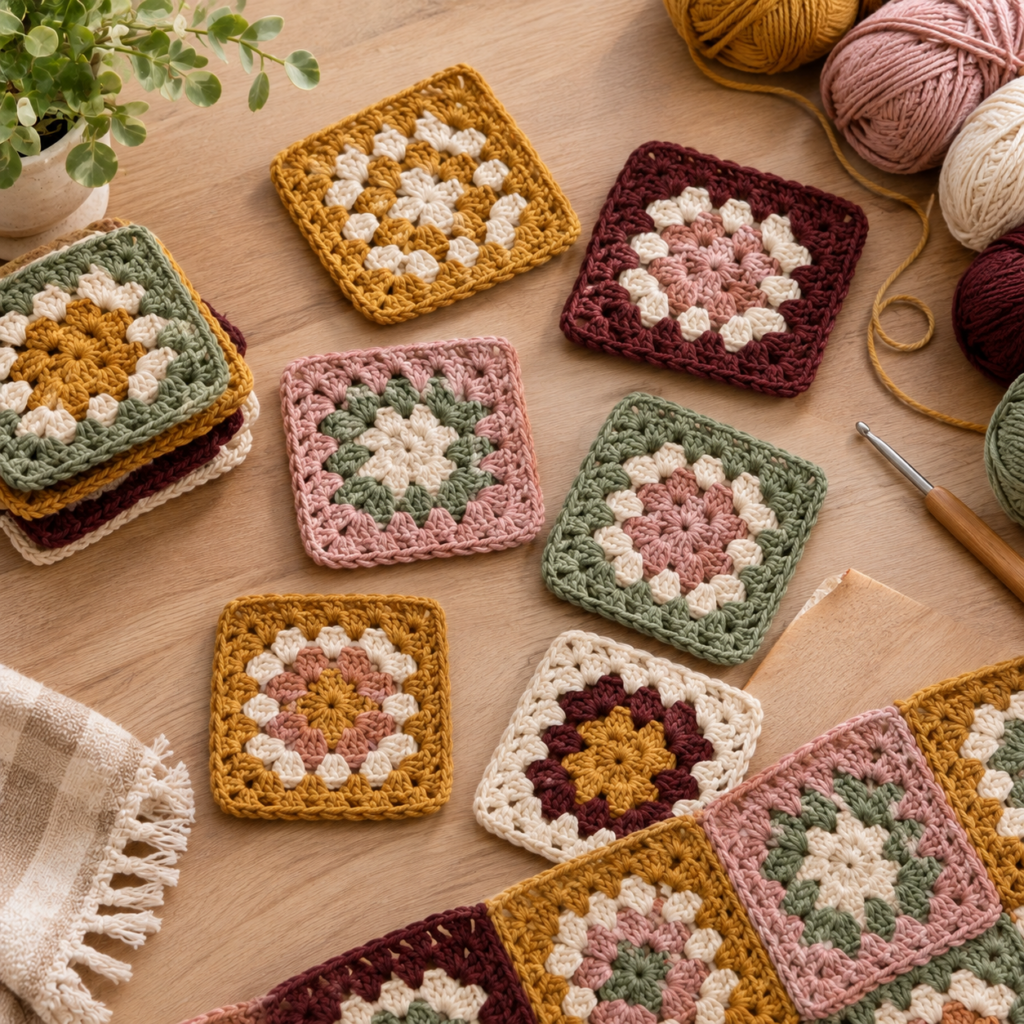
Granny squares are classic crochet motifs that can be used to create blankets, tote bags, pillow covers, and many other handmade items. A single square is a manageable project for beginners, while joining multiple squares introduces new techniques for intermediate crocheters.
Traditional granny squares often feature groups of double crochet stitches separated by chain spaces. You can make them in one color for a simple look or experiment with several colors for a more vibrant design.
Materials for Granny Squares
- Yarn in one or more colors
- A compatible crochet hook
- Scissors
- A yarn needle
How to Crochet a Granny Square
- Begin with a magic ring or a small chain loop, depending on your pattern.
- Work groups of double crochet stitches into the center.
- Add chain spaces to form the corners of the square.
- Continue working rounds until the square reaches your desired size.
- Fasten off and weave in the ends.
Once you feel comfortable making individual squares, create several in coordinating colors and join them to make a larger project.
Granny squares are one of the most flexible crochet ideas for every skill level, because you can keep them simple or add colorwork as you improve.
Skill-building tip: Beginners can start with a single-color square. Intermediate crocheters can practice changing colors, joining motifs, and adding decorative borders.
3. Crochet Tote Bags for Intermediate Crocheters
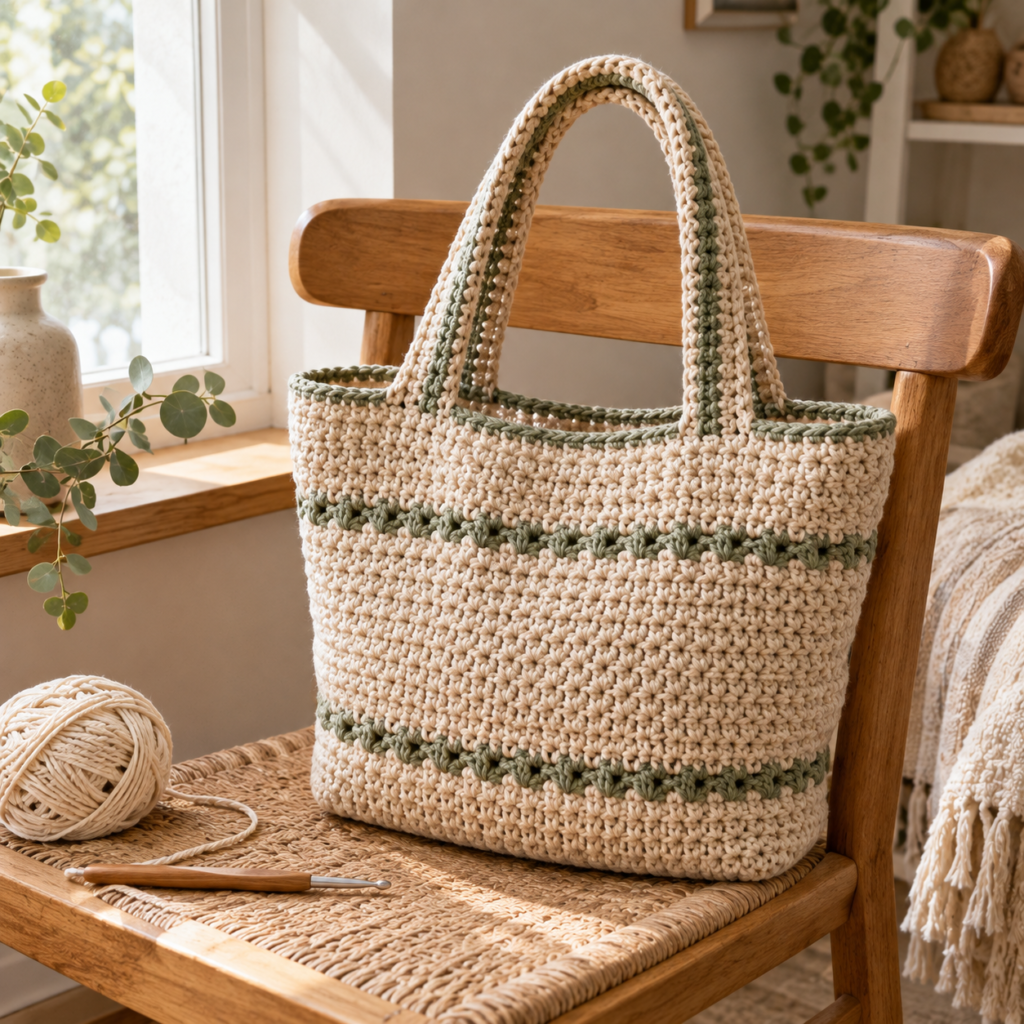
A crochet tote bag is a useful project that combines creativity with everyday function. You can make a simple market bag, a compact everyday tote, or a colorful bag using granny squares.
Cotton yarn is a popular choice for bags because it can create a defined fabric. However, the finished bag may stretch under weight, so choose a suitable stitch pattern and reinforce the handles where necessary.
Materials for a Crochet Tote Bag
- Cotton or other suitable yarn
- A crochet hook recommended for your yarn
- Scissors
- A yarn needle
- Optional bag handles or a button closure
How to Make a Simple Crochet Tote
- Choose a pattern and check the finished dimensions.
- Crochet the base or main panels according to the instructions.
- Work the body of the bag, keeping your stitch count consistent.
- Attach the handles securely and add a border if desired.
- Weave in the loose ends and inspect the seams before using the bag.
You can keep the design simple with a single color or make it more decorative with stripes and granny square panels.
Intermediate tip: Make a small swatch before starting the full bag. This helps you check the fabric density and decide whether the stitches are suitable for your intended use.
4. Cute Amigurumi Animals for Skill Building
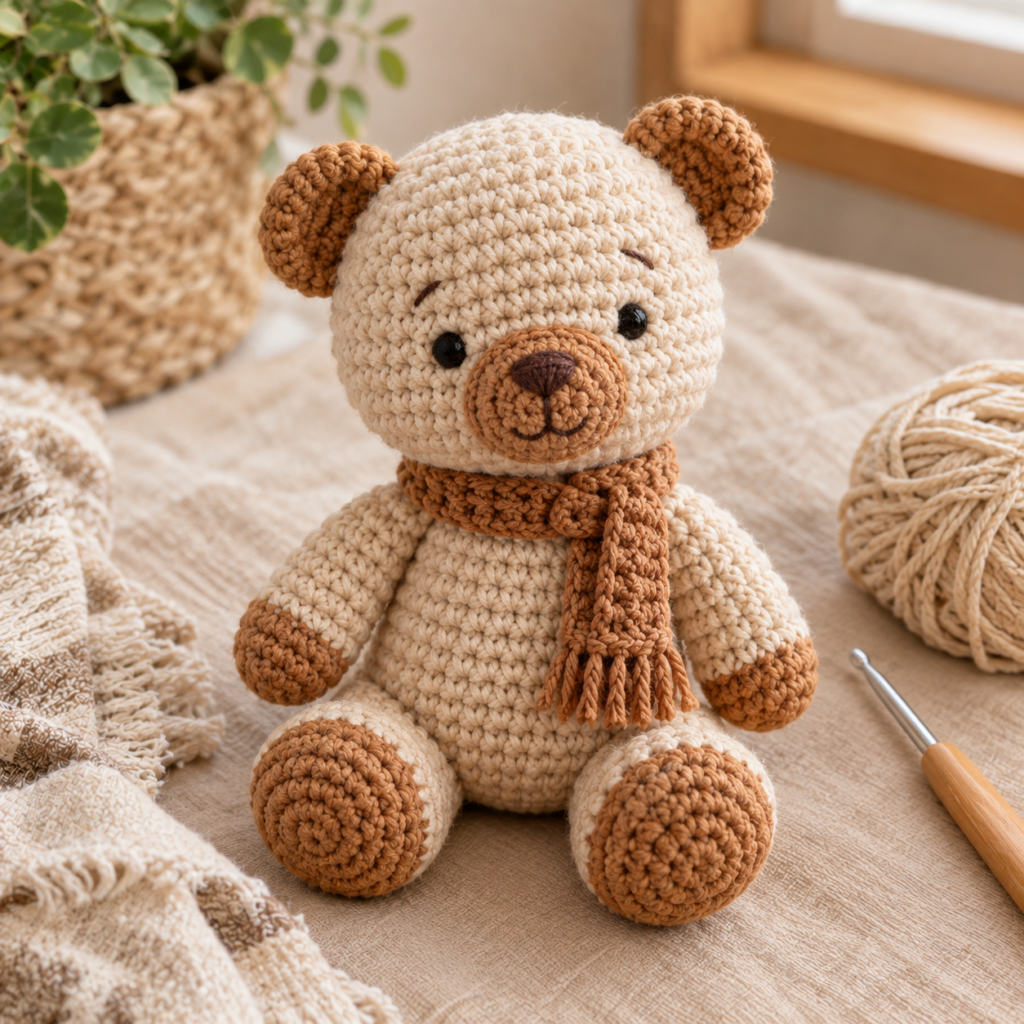
Amigurumi is the art of crocheting stuffed toys, animals, and small characters. These projects can range from simple rounded shapes to detailed designs with separate limbs, clothing, and decorative features.
Many amigurumi patterns use single crochet stitches worked in continuous rounds. Increases and decreases help shape the pieces, while careful assembly gives the finished toy its character.
Materials for Amigurumi Animals
- Yarn suitable for your chosen pattern
- A compatible crochet hook
- Stitch markers
- Scissors
- A yarn needle
- Suitable stuffing, if required
How to Crochet Your First Amigurumi Animal
- Choose a pattern that matches your current skill level.
- Learn how the pattern uses increases and decreases to create shapes.
- Use a stitch marker to keep track of the beginning of each round.
- Crochet the individual pieces according to the instructions.
- Assemble the pieces and add the finishing details.
Start with a simple animal if you are new to amigurumi. More experienced crocheters can explore detailed characters, textured stitches, and more complex shaping.
Skill-building tip: Count your stitches carefully and follow the assembly instructions. For toys intended for young children, avoid small detachable parts that could present a choking hazard.
5. Cozy Crochet Blankets for Every Skill Level
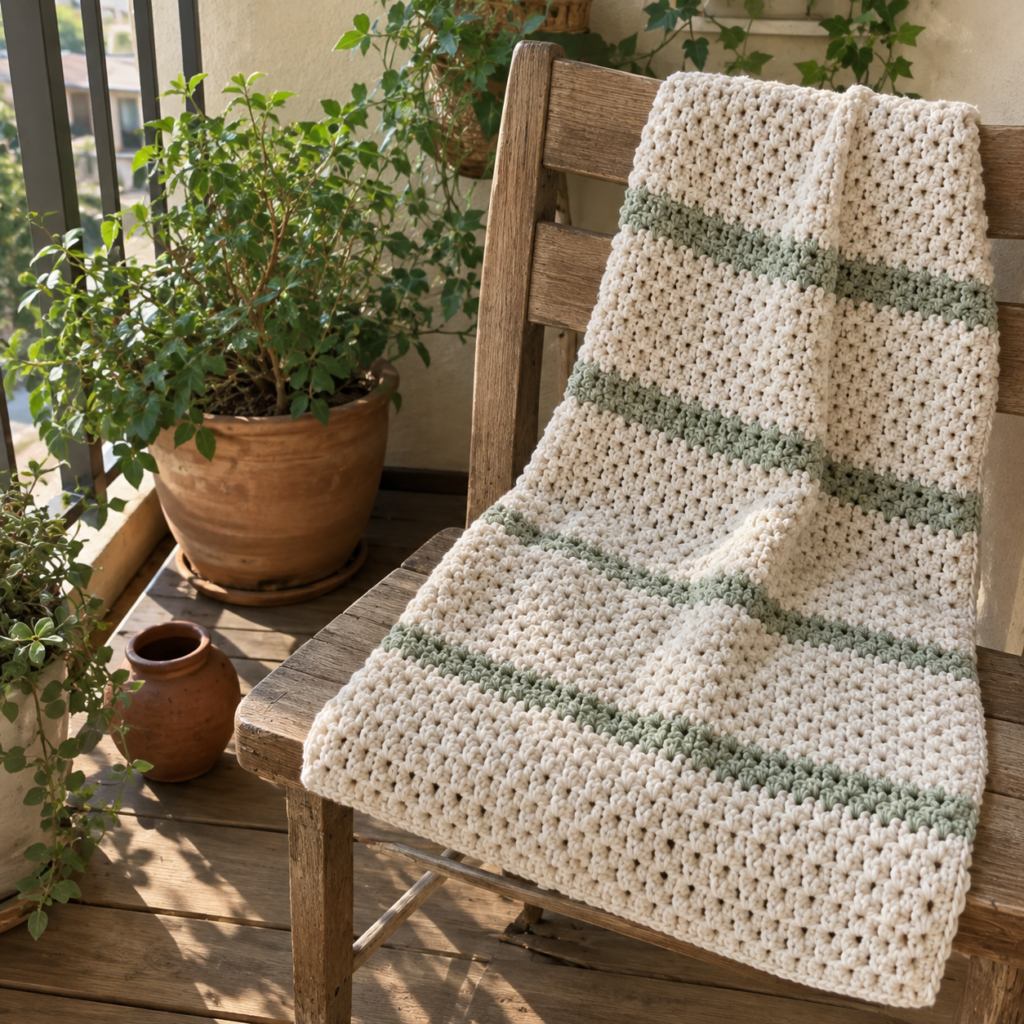
Crochet blankets are versatile projects that can suit beginners and experienced crocheters alike. A simple blanket made with repeating stitches is a relaxing way to practice consistency, while textured patterns and colorwork offer more of a challenge.
You can make a small lap blanket, a baby blanket, or a larger throw for your living room. Choose yarn that feels comfortable and check its care instructions before beginning.
Materials for a Crochet Blanket
- Yarn suitable for your desired blanket size
- A compatible crochet hook
- Scissors
- A yarn needle
How to Choose Your Blanket Design
For beginners: Use a simple stitch pattern repeated across rows. This makes it easier to focus on stitch consistency and straight edges.
For intermediate crocheters: Try granny square blankets, stripes, or textured stitches to introduce more variety.
For advanced crocheters: Explore intricate stitch combinations, detailed motifs, or complex colorwork that requires careful planning.
Before beginning a large blanket, make a small sample to check the stitch pattern and estimate the finished dimensions. This can also help you plan how much yarn you will need.
Blanket tip: Keep track of the stitch count at the end of each row. Consistent edges make the finished blanket easier to complete and give it a neater appearance.
Whether you choose a simple lap blanket or a detailed throw, this is one of those crochet ideas for every skill level that you can adapt as your skills grow.
How to Choose From These Crochet Ideas for Every Skill Level
These crochet ideas for every skill level work whether you are just starting out or already confident with granny squares.Choosing a project that matches your experience can make crocheting more enjoyable. Keep these points in mind before you start:
- Consider your skill level: Choose a pattern that feels manageable while introducing one new technique at a time.
- Check the materials: Review the recommended yarn weight, hook size, and finished measurements.
- Read the pattern first: Make sure you understand the abbreviations and special stitches.
- Practice unfamiliar techniques: Create a small sample before using a new stitch in a larger project.
- Choose a project you enjoy: Whether you love accessories, toys, or home décor, your interest can help keep you motivated.
You do not have to master every crochet technique in a particular order. You might enjoy making blankets while still learning amigurumi, or feel confident with bags while practicing more complicated stitch patterns.
The best crochet ideas for every skill level let you learn at your own pace, so feel free to mix and match projects.
More Crochet Ideas for Every Skill Level to Try Next
The best crochet project is one that fits your interests and gives you an opportunity to learn. Start with coasters if you are a beginner, experiment with granny squares as you gain confidence, or try a tote bag, amigurumi animal, or blanket when you are ready for something different.
If you are new to crochet and want more simple inspiration, explore our 5 Easy Crochet Ideas for Beginners for more beginner-friendly projects.
You can also visit our Crochet Ideas for Every Skill category to discover more crochet inspiration.
Whichever of these crochet ideas for every skill level you pick, start small and enjoy the process. Choose a project that excites you, take your time, and enjoy every stitch. Each new project is a chance to practice your skills and create something uniquely yours.
FAQs About Crochet Ideas for Every Skill Level
What is the easiest crochet project for beginners?
Coasters and simple granny squares are the easiest. They are small, use basic stitches, and give you quick results.
Can beginners try these crochet ideas for every skill level?
Start with coasters or a single granny square, then move on to bags, amigurumi, and blankets as your confidence grows.
How do I know when I am ready for a harder project?
When you can keep an even tension and a consistent stitch count, try a new technique on a small swatch before starting a bigger project.
Happy crocheting!